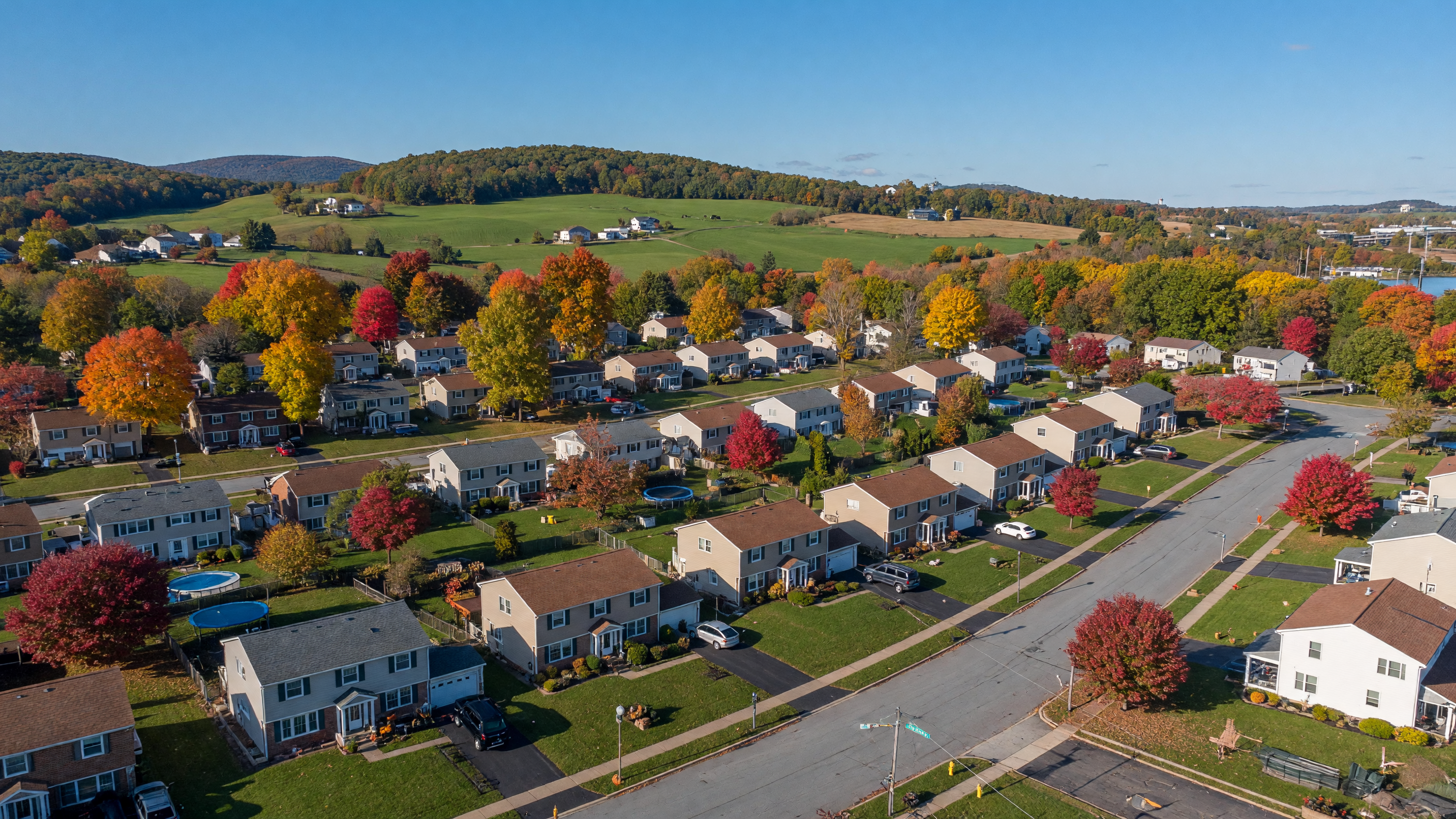
What Buyers Should Know About Moving to the Lehigh Valley

The Lehigh Valley has become one of the most popular destinations for first-time homebuyers in the Northeast corridor — and for good reason. The region offers a combination of affordable home prices, strong community infrastructure, quality schools, and convenient access to Philadelphia, New York, and northern New Jersey. If you are considering your first home purchase in eastern Pennsylvania, here is what you should know.
Why the Lehigh Valley?
The Lehigh Valley is a two-county region in eastern Pennsylvania made up of Lehigh and Northampton Counties. It includes three cities — Allentown, Bethlehem, and Easton — along with more than 60 boroughs and townships. The combined population exceeds 708,000, and the regional GDP surpasses $50 billion, supported by a diversified economy in healthcare, manufacturing, logistics, education, and professional services.
For first-time buyers relocating from higher-cost metro areas, the Lehigh Valley offers significantly more home for the money. The median sales price of approximately $370,000 compares favorably to median prices in the Philadelphia suburbs, northern New Jersey, and the New York metro — where comparable homes often start well above $500,000.
Understanding the Communities
One of the advantages of the Lehigh Valley is the range of communities available — each with its own character, price point, and lifestyle. Here is a brief overview of what different buyers often gravitate toward:
- Buyers focused on schools: Parkland, Nazareth Area, Southern Lehigh, Saucon Valley, and East Penn are among the established school districts in the region.
- Buyers seeking urban walkability: Downtown Bethlehem, Easton, and Allentown offer walkable neighborhoods with dining, arts, and cultural amenities.
- Value-focused buyers: Wilson, Bangor, Pen Argyl, Catasauqua, and Northampton offer lower entry points with strong community features.
- Space and privacy: Northwestern Lehigh, Northern Lehigh, and Salisbury Township provide larger lots and a quieter setting while remaining within commuting distance.
Every community has a different feel. I always recommend visiting in person, spending time in the area, and talking to someone who knows the local market before making a decision.
The First-Time Buyer Process
If you are new to home buying, the process can feel overwhelming. Here is a simplified roadmap to help you prepare:
- 1Get Pre-Approved. Before you start looking at homes, get a mortgage pre-approval from a local lender. This tells you exactly what you can afford and signals to sellers that you are a qualified buyer.
- 2Define Your Priorities. Make a list of what matters most: number of bedrooms, commute time, school district, yard size, and proximity to amenities. No home checks every box, so knowing your priorities helps you focus.
- 3Work with a Local Agent. A local agent who knows the Lehigh Valley market can guide you through pricing trends, neighborhood dynamics, and negotiation strategy. This is not the time to rely solely on online listings.
- 4Tour Homes and Evaluate. Visit properties in person. Pay attention to the condition of the home, the neighborhood, commute routes, and nearby amenities. Take photos and notes — you will forget details after a few showings.
- 5Make an Offer and Close. Once you find the right home, your agent will help you prepare a competitive offer. After acceptance, you will go through inspection, appraisal, and final underwriting before closing day.
Transportation and Commuting
The Lehigh Valley is well-connected to the broader Northeast region. Interstate 78 and Route 22 are the primary east-west corridors, providing access to Philadelphia (approximately 60 miles), New York City (approximately 80 miles), and the New Jersey shoreline. Lehigh Valley International Airport (ABE) offers commercial flights to several major hubs, and the region is also served by the LANta public transit system.
Many residents commute to the Philadelphia suburbs or New Jersey for work while enjoying the Lehigh Valley's lower cost of living. The growing local job market — including major employers in healthcare, logistics, and technology — also means more residents are finding employment close to home.
Cost of Living Considerations
Beyond home prices, the Lehigh Valley offers a lower overall cost of living compared to major Northeast metros. Pennsylvania does not tax clothing, and property tax rates — while they vary by school district — are generally competitive. Utility costs are moderate, and the availability of both urban and rural options means buyers can find a lifestyle that fits their budget.
I recommend that first-time buyers account for the full picture: mortgage payment, property taxes, homeowner's insurance, utilities, and routine maintenance. A local lender can help you model these costs before you commit.
Ready to Start Your Search?
Buying your first home is one of the most significant financial decisions you will make, and the Lehigh Valley offers strong options for buyers at many price points. With more than 36 years of experience and 700+ transactions, I have the local knowledge to help you find the right home in the right community.
Reach out to schedule a conversation. I am happy to answer your questions, walk you through the market, and help you take the first step toward homeownership in the Lehigh Valley.

With more than 36 years of experience and 700+ closed transactions, Tim Tepes is a trusted expert in Lehigh Valley real estate. He is the founder of Tim Tepes Real Estate LLC with Better Homes and Gardens® Real Estate Cassidon Realty.
Contact Tim →Ready to Find Your First Home?
Let Tim Tepes guide you through the process with 36+ years of local market experience and a commitment to clear, honest communication.