
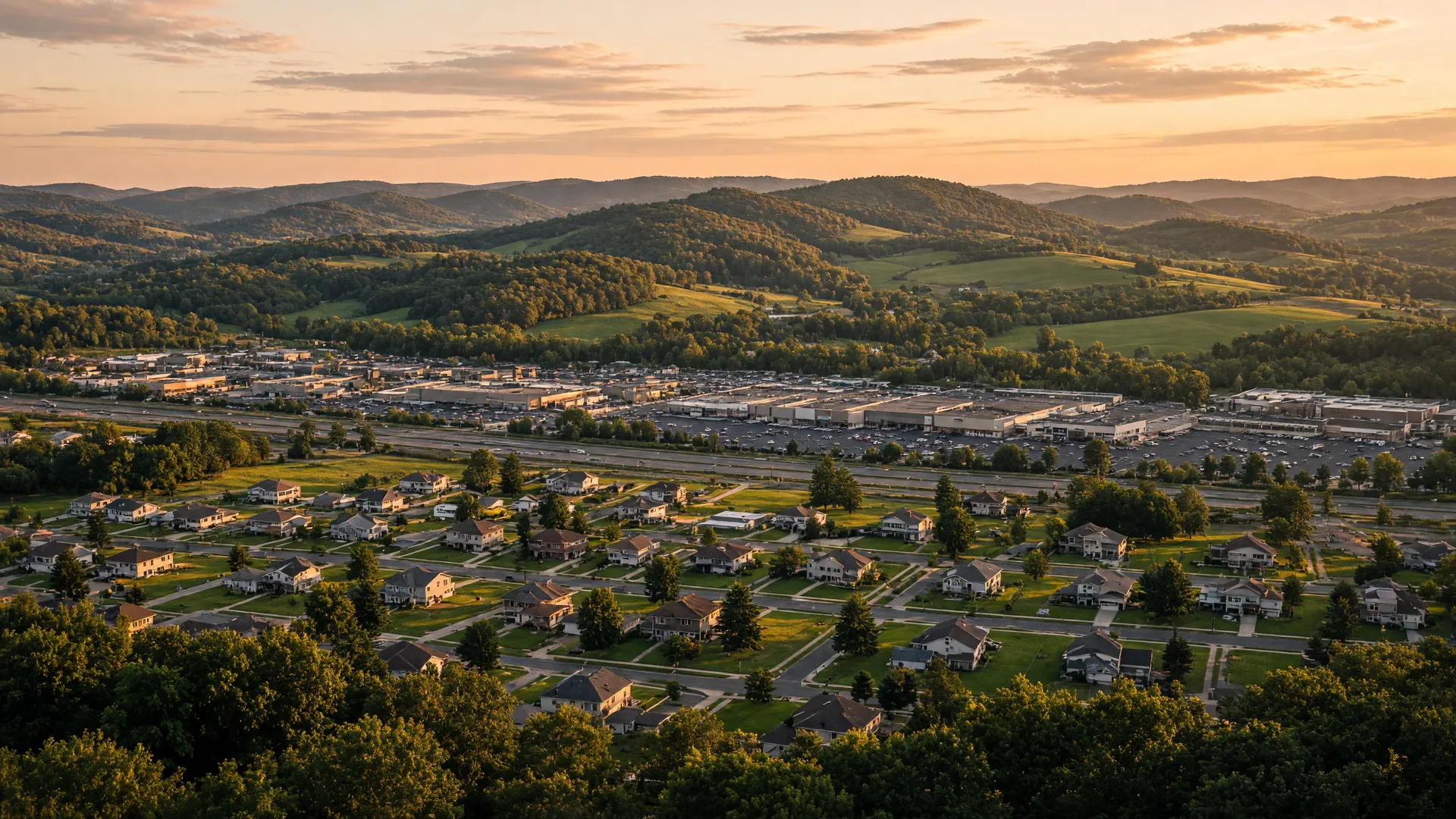
Whitehall vs. Parkland, PA: Which Lehigh County Area Is Right for You?
An honest comparison of Whitehall Township and the Parkland School District area: housing, property taxes, schools, commute times, shopping, recreation, renting versus buying, and investing.
If you are weighing Whitehall vs Parkland PA, the first thing to know is that you are comparing two different kinds of places. Whitehall is a home-rule township, a single municipality in Lehigh County, while Parkland is not a borough or town at all: it is the Parkland School District area spanning South Whitehall, North Whitehall, and parts of Upper Macungie Townships, plus a slice of western Allentown. Whitehall Township centers on the MacArthur Road retail corridor and the Lehigh Valley Mall with established post-war neighborhoods, while the Parkland area offers more spread-out suburban townships, larger lots in places, and one of the Lehigh Valley's largest school districts. Neither area is universally better, and the right fit comes down to schools, taxes, commute, and the specific property.
This page compares the two areas side by side on housing styles, property tax context, school district boundaries, amenities and recreation, commuting, renting versus buying, and real estate investment considerations, then answers the questions buyers and sellers ask most often. Tim Tepes has Over 36 Years of Real Estate Experience in the Lehigh Valley with Over 2,000 Real Estate Transactions Since 1990 and 310+ Client Reviews Across Google and Zillow, and he is happy to bring any of these comparisons down to your exact address and budget.
Side by side
Whitehall vs Parkland at a Glance
A quick reference for the factors most buyers compare first. Figures below the table show the exact source and date for every statistic.
| Factor | Whitehall Township | Parkland School District area |
|---|---|---|
| County | Lehigh County | Lehigh County (South Whitehall, North Whitehall, and parts of Upper Macungie Townships) |
| Community type | Home-rule township, a single municipality | Not a municipality: a school district area spanning three townships plus part of western Allentown |
| Population | 29,173 (2020 Census); est. 29,405 (July 2025) | About 64,000 residents across the district's roughly 72 square miles |
| Median home price | $372,309 median sale price (Redfin, ZIP 18052, October 2026) | $425,000 median sale price (Redfin, ZIP 18069, Orefield, March 2026) |
| Property tax context | Lehigh County plus Whitehall Township plus Whitehall-Coplay School District. County average effective rate roughly 1.36%. | Lehigh County plus one of three townships plus Parkland School District. County average effective rate roughly 1.36%. |
| School district | Whitehall-Coplay School District (serves Whitehall Township and Coplay Borough) | Parkland School District (serves South Whitehall, North Whitehall, and parts of Upper Macungie Townships) |
| Shopping and amenities | MacArthur Road corridor, Lehigh Valley Mall, Whitehall Plaza, big-box and grocery retail | Route 309, Tilghman Street, and Cetronia Road corridors; retail near I-78 interchanges; business parks |
| Commute | Route 22 at PA 145 (MacArthur Road); I-78 nearby; ABE about 11 to 15 minutes; Allentown about 5 to 10 minutes | Route 309 and Route 100; I-78 and Route 22 via Fogelsville and South Whitehall; ABE about 10 to 20 minutes; Allentown about 10 to 15 minutes |
| Housing styles | Post-war twins, ranches, Cape Cods, and split-levels in established sections like Fullerton and Egypt | Mix of older farmhouses and newer subdivisions across the three townships, with larger lots in places |
| Best for | Buyers who want the region's densest retail access, direct Route 22 convenience, and established mid-century housing | Buyers focused on the Parkland School District, suburban townships with varied lot sizes, and proximity to parks and hospital campuses |
Population: U.S. Census Bureau QuickFacts, 2020 Census (April 1, 2020) and July 1, 2025 estimates for Whitehall Township. The Parkland district population and area are from the Parkland School District community profile.
Median home price: Whitehall Township $372,309, Source: Redfin ZIP 18052 housing market page, October 2026. Parkland area $425,000, Source: Redfin ZIP 18069 (Orefield) housing market page, March 2026. These are ZIP-level medians; individual neighborhoods and property types vary, and other sources such as Zillow report different figures (Zillow's typical home value for 18052 was $345,567 as of July 31, 2026).
Property tax context: Lehigh County average effective rate per SmartAsset's Pennsylvania property tax calculator. School millage context (22.69 mills for Whitehall-Coplay versus 17.80 mills for Parkland) is from the 2025-26 adopted school district budgets as reported by The Morning Call. Millage alone does not set a bill: assessed value times total millage does.
Housing, Neighborhoods, and Typical Property Styles
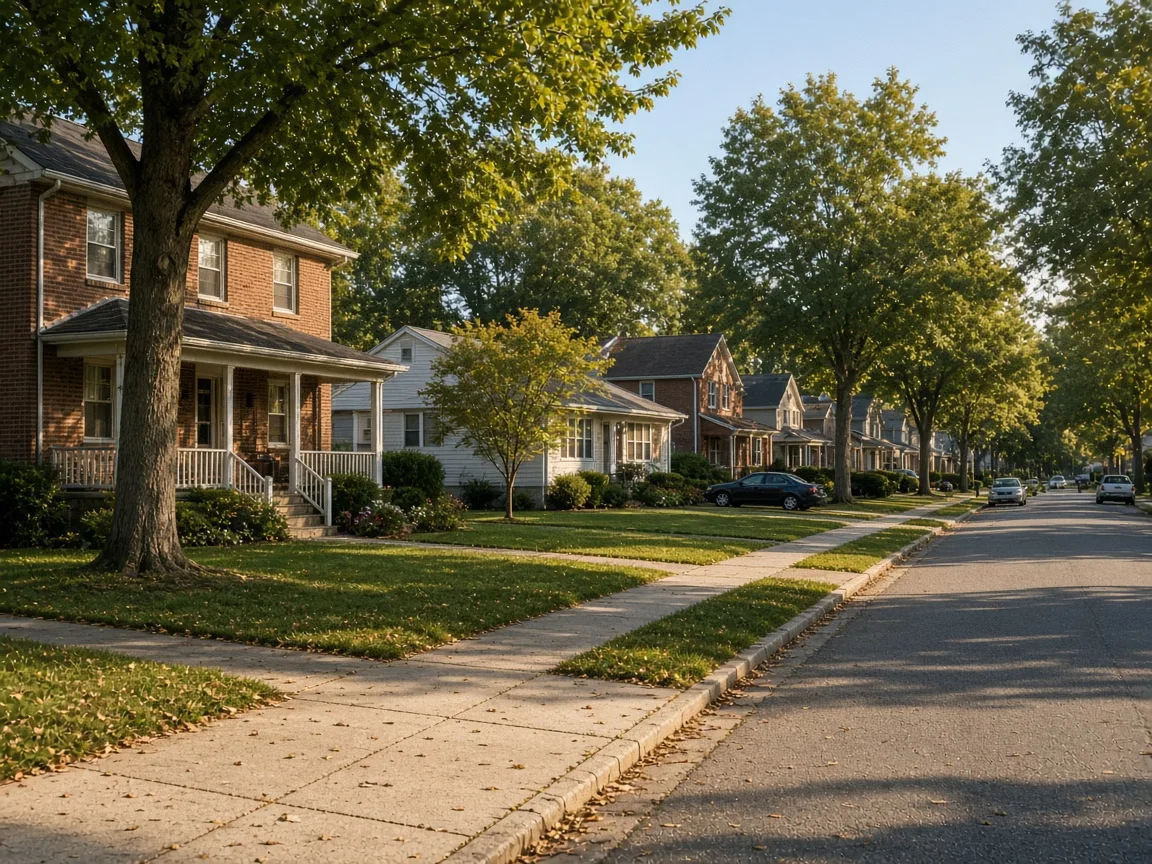
The two areas differ as much in neighborhood vintage as in price. Whitehall Township grew into a bedroom community of Allentown after World War II, with suburban residential development accelerating after Route 22 opened in 1954. Most of its housing stock dates from the post-war decades: brick twins, ranch homes, Cape Cods, and split-levels, many of them close to the MacArthur Road and Route 22 commercial corridors. The township's named sections include Fullerton, its largest, a community laid out in the 1870s during the Lehigh Valley cement boom, and Egypt in the township's northwestern corner, along with Hokendauqua, Cementon, Mickleys, and Stiles. Newer infill and townhome construction can be found around the edges of the township, but the character of most neighborhoods remains established mid-century.
Recent published price data gives a sense of the entry point: Redfin reported a median sale price of $372,309 for the 18052 ZIP covering Whitehall Township in October 2026, up 12.5% year over year, while Zillow's typical home value for the same ZIP was $345,567 as of July 31, 2026. Those are ZIP-wide figures, and the actual number for any home depends on its section, lot, condition, and updates.
Typical Whitehall Township housing styles
- Post-war brick twins, ranches, Cape Cods, and split-levels
- Older single-family homes in Fullerton, Egypt, Hokendauqua, and Cementon
- Newer infill and townhomes at the township's edges
Typical Parkland area housing styles
- Established suburban homes in South Whitehall, with a mix of older and newer neighborhoods
- Older farmhouses and country properties on larger lots in North Whitehall
- Newer subdivisions and townhome developments, especially in Upper Macungie
Neighborhood descriptions on this page stick to housing style, lot size, and general character. Pennsylvania Fair Housing law applies to every home search in both areas, and no neighborhood is universally "better"; the right fit depends on your household's priorities.
Property Taxes: What the Numbers Really Mean
In Pennsylvania, every property tax bill stacks three layers: the county, the municipality (township or borough), and the school district. Each layer sets its own millage rate, where one mill equals $1 per $1,000 of assessed value, and the bill is the assessed value times the total millage. That means the tax on any specific home depends on which county, which municipality, and which school district serve that exact address.
Both areas in this comparison sit entirely in Lehigh County, so the county layer is shared. SmartAsset's Pennsylvania data puts Lehigh County's average effective property tax rate near 1.36%, based on a median home value of $331,200 and a median annual payment of about $4,504. The municipal layer differs between Whitehall Township and the individual Parkland townships, and the school layer differs as well: in the 2025-26 adopted budgets, the Whitehall-Coplay School District's millage was 22.69 mills, above the county average of roughly 21.92 mills, while the Parkland School District's was 17.80 mills, among the lower school millage rates in the county.
This page deliberately avoids publishing a single tax bill figure for either area, because the correct number changes with every property's assessment, every reassessment cycle, and every annual budget. When you have a specific home in mind, Tim can help you pull its assessed value and its exact county, municipal, and school district millage so you see the real bill before you make an offer.
School District Boundaries: Address Matters, Not Area Name
The most important boundary in this comparison is the school district line, and it does not follow the "Whitehall versus Parkland" labels cleanly. Whitehall Township and neighboring Coplay Borough are served by the Whitehall-Coplay School District, which enrolls roughly 4,100 to 4,300 students across a central campus of about five buildings, including Whitehall High School and Whitehall-Coplay Middle School. The Parkland School District serves South Whitehall Township, North Whitehall Township, and parts of Upper Macungie Township, plus a portion of western Allentown west of North Cedar Crest Boulevard, and enrolls about 9,500 students, with Parkland High School, the largest high school in the Lehigh Valley by enrollment, two middle schools, and nine elementary schools.
District boundaries are drawn by geography, not by neighborhood name, and they can split a street or even one side of a road. Homes in the same township can fall into different districts near the edges, so always verify the assigned district and school with the specific address. The official resources below are the reliable way to check:
The Lehigh Valley Schools hub on this site covers the region's districts in more depth, and Tim can tell you the likely district for any address you are considering.
Amenities, Shopping, Parks, and Recreation
Whitehall is the retail hub of this matchup; the Parkland townships trade some of that shopping density for open space, parks, and greenways.
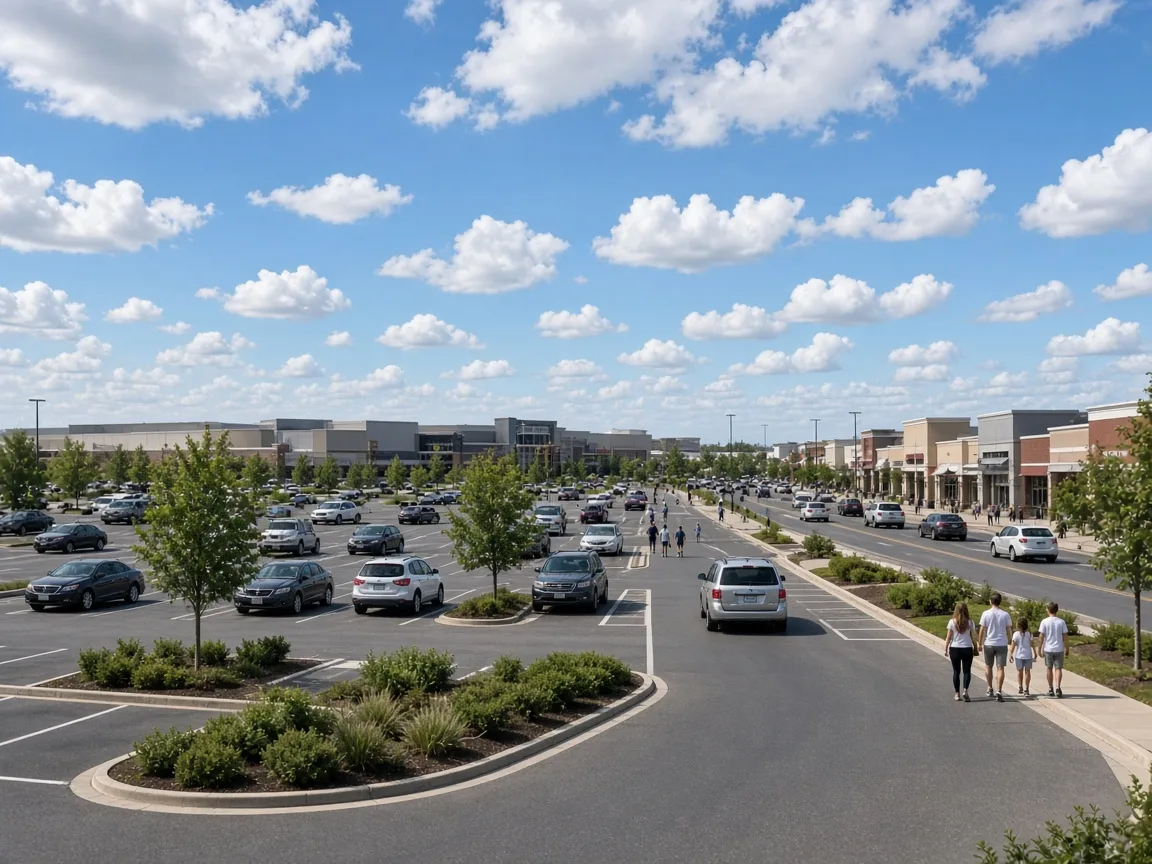
Whitehall Township
Whitehall is anchored by the MacArthur Road corridor, the Lehigh Valley's dominant retail strip, which grew around the opening of Route 22 in 1954 and the region's early department stores. The Lehigh Valley Mall opened in 1976 with roughly one million square feet and about 130 stores, and it still anchors the corridor today, with Whitehall Plaza across the street, originally the Lehigh Valley's first enclosed mall when it opened in 1966 and now an open-air center. Grocery, big-box, and restaurant options line the corridor, and the township's Bureau of Recreation oversees roughly 370 acres of open space across about 30 sites, including Whitehall Parkway, a 110-acre natural park with trails, fishing, and the ruins of a 19th-century cement plant, and Jordan Creek Parkway, a 269-acre park where the creek winds through wooded hiking and trail-biking routes.
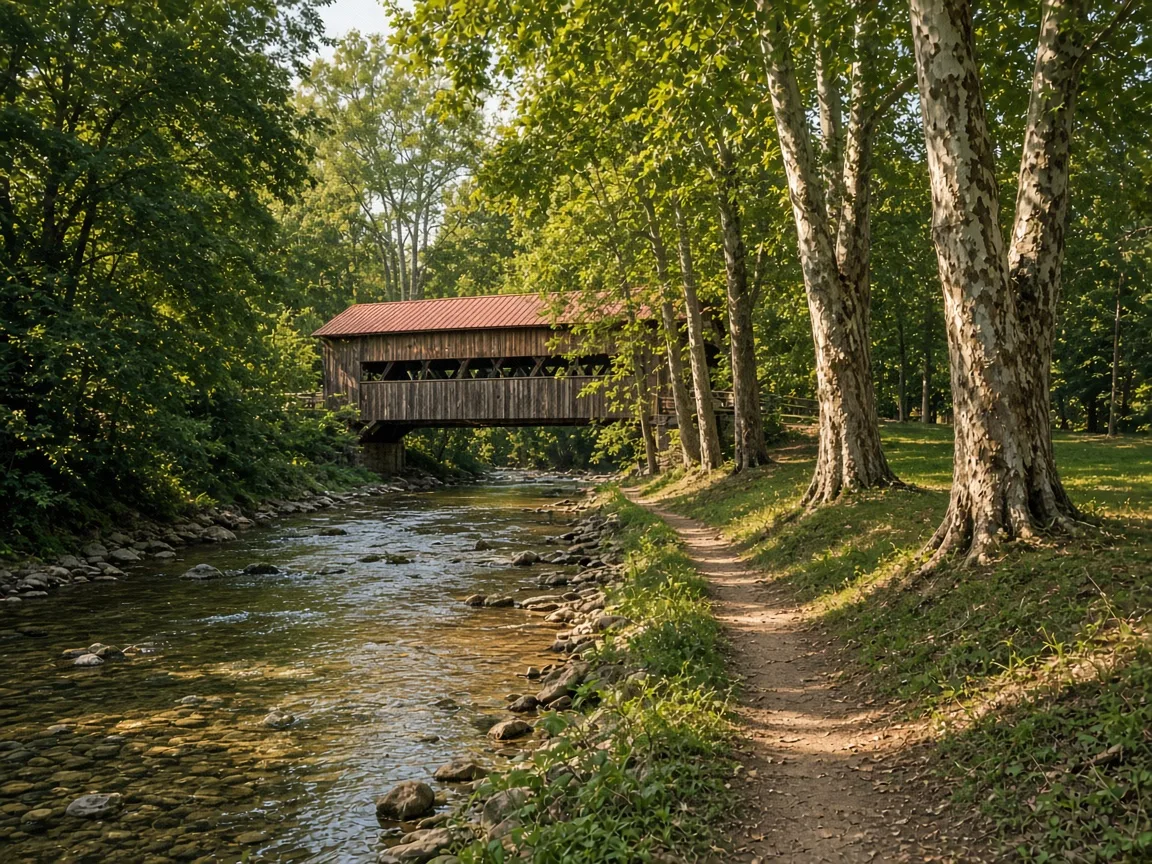
Parkland School District area
The Parkland townships are home to some of the county's best-known parks. Jordan Creek runs through the heart of the area: Covered Bridge Park in South Whitehall sits between two historic covered bridges with a large community playground, sports fields, courts, and walking trails, and the planned Jordan Creek Greenway will eventually link about 14 miles of trail, with the first section opened in 2019 and a 2024 segment running through Covered Bridge Park. Haines Mill, a restored 1840s grist mill on Cedar Creek listed on the National Register of Historic Places, anchors a 37.5-acre park with creek access and trout fishing. The Trexler Nature Preserve, roughly 1,100 acres with more than 18 miles of trails and elk and bison viewing areas, sits on the northern edge of the area. Upper Macungie is home to the Valley Preferred Cycling Center, the 333.3-meter banked concrete track known to cyclists as T-Town, and the Lehigh Valley Health Network's Cedar Crest hospital campus, the flagship of LVHN, is minutes from the Parkland townships off Cedar Crest Boulevard.
Commute and Regional Access
Both areas sit on the Lehigh Valley's highway network, but each has its own front door. Whitehall Township is built around Route 22, the Lehigh Valley Thruway, with a direct interchange at PA 145 (MacArthur Road), and I-78 is minutes away to the south, giving Whitehall some of the quickest freeway access in the county. The Parkland townships use Route 309, which runs north-south through South Whitehall and North Whitehall past Orefield and Schnecksville, and Route 100 through Upper Macungie, which meets I-78 and Route 22 at Fogelsville; the US 22 and I-78 split in South Whitehall, and the Tilghman Street interchange serves the Cetronia and Kuhnsville area.
Lehigh Valley International Airport (ABE) sits in Hanover Township just east of Whitehall, so Whitehall addresses are typically about 11 to 15 minutes from the terminal and Parkland-area addresses roughly 10 to 20 minutes. Downtown Allentown is about 5 to 10 minutes from Whitehall and 10 to 15 minutes from the Parkland townships, and Bethlehem is roughly 15 to 25 minutes from either area via Route 22. For longer trips, the Northeast Extension of the Pennsylvania Turnpike (I-476) carries commuters to the Philadelphia region in about 1 hour 15 minutes to 1 hour 30 minutes in normal traffic, and I-78 heads east toward New Jersey and New York City.
Allentown
About 5 to 10 minutes from Whitehall; 10 to 15 from the Parkland area
ABE Airport
About 11 to 15 minutes from Whitehall; 10 to 20 from the Parkland area
Philadelphia
Roughly 1h 15m to 1h 30m via I-476 from either area
Neighborhood and Housing-Style Differences
The quickest way to feel the difference between the two areas is to drive the MacArthur Road corridor, then Route 309 through South Whitehall into North Whitehall. The descriptions below stick to housing style, lot size, and general character.
Whitehall Township's character
Whitehall is a compact, developed township where the retail corridor and residential streets sit close together. Most neighborhoods date from the 1950s through the 1970s, with brick twins and ranches near the commercial roads and quieter single-family streets behind them. Sections like Fullerton and Egypt have older, denser housing stock with deep roots in the township's cement and industrial history, while newer townhome developments sit at the edges. Living in Whitehall usually means having the mall, grocery stores, and Route 22 within a short drive, and the tradeoff is that MacArthur Road traffic is part of daily life.
Parkland area's character
The Parkland townships are more spread out. South Whitehall is a well-established Allentown suburb with mostly owner-occupied neighborhoods, roughly 79 percent owner-occupied by recent Census estimates, and a mix of older and newer homes along Route 309 and Cetronia Road. North Whitehall is the most rural of the three, with larger lots, farmhouses, and country properties, and an owner-occupancy rate near 89 percent. Upper Macungie brings the newest development, with subdivisions and business parks growing along the Route 100 and I-78 corridor. The tradeoff is that most of the district is car-dependent, and the mall and dense retail of the Whitehall corridor are a drive away.
Both areas welcome residents of every background, and Pennsylvania Fair Housing law applies to every home search. No area is universally "better"; the right fit depends on your household's priorities, from price point and lot size to commute and community character.
Renting Versus Buying in Each Area
Rental options exist in both areas, from apartments and townhomes near the retail corridors of Whitehall to single-family rentals across the Parkland townships. Recent Census survey data gives one reference point: the median gross rent in North Whitehall was about $1,230 per month in the 2020-2024 American Community Survey, though rents vary widely by unit size, condition, and location, and rental data for the specific property matters more than any area-wide average.
Renting versus buying is a personal math problem more than an area-wide one. Renting suits shorter timelines and flexibility, and it avoids closing costs, maintenance, and property taxes that come with ownership. Buying builds equity and locks in a housing payment for people who expect to stay several years, and mortgage interest and property taxes may carry tax advantages. Mortgage rates, down payment savings, and the condition of the specific home all change the answer, so run the numbers for the property you are actually considering. Tim regularly walks buyers and tenants through this comparison in both areas.
Real Estate Investment Considerations
Investors look at the two areas differently. Whitehall Township's established post-war stock, retail-corridor employment, and quick highway access tend to support steady tenant interest, and its older twins and single-family homes offer a range of entry points. The Parkland townships skew toward owner-occupied suburban housing, which can mean fewer pure rental properties but steady demand near major employment sites such as the Lehigh Valley Health Network's Cedar Crest campus and the business parks along Route 309 and in Upper Macungie.
The honest caveats apply equally to both areas. Older housing stock can mean older roofs, heating, electrical, and plumbing, so budget for maintenance and capital improvements. Rental registration and licensing rules vary by township and by block, and occupancy limits, parking, and code requirements apply. There is no universal cap rate, cash-on-cash return, or rent growth figure for either area; every deal depends on purchase price, financing, taxes, insurance, vacancy, and turnover. Have the specific property's numbers run before you commit, and consult a local broker, lender, and attorney as part of your process.
Advantages and Tradeoffs of Each Area
Neither area wins on every line. This balanced look keeps the tradeoffs honest so you can match them to your own priorities.
Whitehall Township
Advantages
- The region's densest retail: MacArthur Road, Lehigh Valley Mall, Whitehall Plaza
- Direct Route 22 interchange at PA 145, with I-78 minutes away and ABE about 11 to 15 minutes
- Established post-war housing at a range of price points
- About 370 acres of township open space across roughly 30 sites
Tradeoffs
- MacArthur Road traffic is a daily part of life in the corridor
- Much of the housing stock is post-war and may need updating
- Whitehall-Coplay school millage ran above the county average in the 2025-26 budget
Parkland School District area
Advantages
- Parkland School District, with the Lehigh Valley's largest high school by enrollment
- More open space and larger lots, especially in North Whitehall
- Top parks nearby: Covered Bridge Park, Haines Mill, Trexler Nature Preserve
- Parkland school millage ran below the county average in the 2025-26 budget
Tradeoffs
- Most of the district is car-dependent, with destinations spread out
- The mall and the densest retail corridor are a drive away
- Newer subdivisions in the district often carry higher price points per square foot
Whitehall vs Parkland, PA: Frequently Asked Questions
The questions buyers and sellers ask Tim most often about these two Lehigh County areas, answered with current public data and no hype.
Is Parkland a town or a borough?
What school district serves Whitehall Township, and which serves the Parkland area?
How do commutes compare between Whitehall Township and the Parkland area?
Which area has more shopping and dining access?
Is Whitehall more established and the Parkland area more growing?
How do property taxes compare between Whitehall Township and the Parkland area?
Which area is better for real estate investment?
Dive Deeper Into Each Community Guide
This comparison is the short version. The full community guides go deeper into history, neighborhoods, schools, and local life for each area, and the comparison hub lists more matchups as they are published.
Whitehall or Parkland: Let's Compare for Your Move
Tell Tim which areas you are weighing and what matters most, and he will bring current listings, school boundary checks, and real property tax figures to your exact situation. With Over 36 Years of Real Estate Experience in the Lehigh Valley, Over 2,000 Real Estate Transactions Since 1990 and 310+ Client Reviews Across Google and Zillow, he has helped buyers make this exact call hundreds of times.